In one sentence: what is Lean Manufacturing?
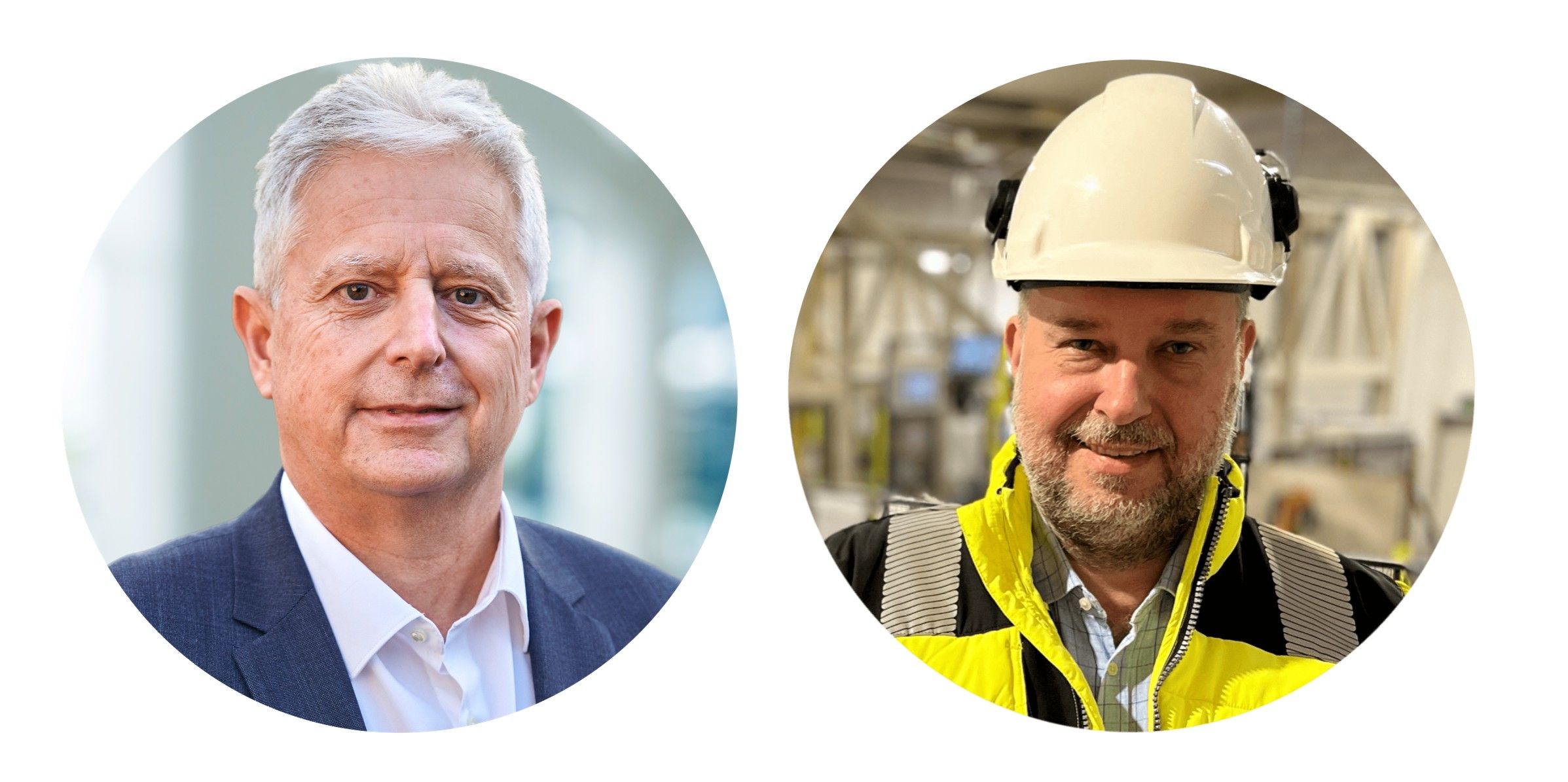
Marcin: Lean is, first and foremost, a way of thinking about value, people, and problems – and of working on them every day. Tools like 5S*, Kaizen*, and TPM* (see infobox below) are just visible expressions of that mindset, built on respect for people, constant learning, and zero tolerance for waste*. Our goal is to shape a production culture that changes how leaders behave, how decisions are made, and how we talk about problems. That is what Lean really means.
What does Lean mean for Xella’s production?
Davide: Today, Lean is a fundamental standard in manufacturing. Our ambition is to make Lean our natural way of working – shaping how we plan, produce, and improve. It must guide everything we do in terms of output, safety, quality, and efficiency on the shop floor.
What makes Lean Manufacturing successful in production?
Davide: First, it’s crucial that people genuinely want this change and are intrinsically motivated. If they don’t understand or believe in what’s in it for them, it will never happen. Second, you need the right people in place.
Marcin: It all starts with people. Lean’s “respect for people” means giving everyone the autonomy and support to do the right thing. As Lean becomes part of everyday work, behaviors and the working environment naturally evolve step by step – not because we roll out tools for their own sake, but because we encourage and enable people to improve.
What changes do people notice in the plants?
Davide: Everyday work becomes safer and simpler. For example, instead of everyone hiding their own tools (or even something as basic as a hammer) in different places, there is one clearly defined, standard location for each tool. That way, when someone needs something, they can find it immediately, saving many minutes per shift, every day, all year – and it simply feels better to work in a clean, structured environment. And when you extend this way of thinking, including continuous improvement across all Xella plants, the impact on safety, efficiency, and employee experience becomes truly significant.